ByJohn A
Why Responsible Electronics Recycling in New York Matters
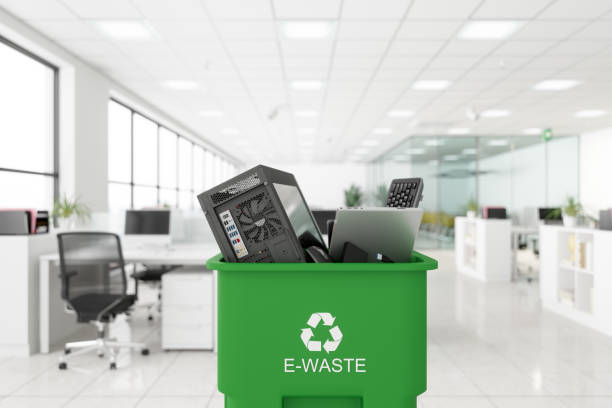
As businesses, institutions, and households replace outdated technology, the amount of electronic waste continues to grow. Electronics recycling in New York provides a responsible way to manage unwanted computers, monitors, servers, printers, networking equipment, and other electronic devices. Proper recycling helps prevent harmful materials from entering the environment while allowing valuable resources to be recovered and reused. It also gives organizations a structured approach to handling obsolete equipment instead of relying on general waste disposal methods.
Understanding Electronic Waste
Electronic waste, commonly called e-waste, includes electronic devices that are no longer wanted, functional, or useful. Technology changes quickly, which means businesses may regularly replace equipment as part of upgrades, office moves, infrastructure changes, or equipment refresh programs.
Common examples of electronic waste include:
- Desktop computers and laptops
- Servers and storage equipment
- Monitors and display devices
- Printers and copiers
- Keyboards, mice, and other peripherals
- Routers, switches, and networking equipment
- Telecommunication devices
- Cables and electronic components
- Audio and visual equipment
Although these products may appear to be ordinary waste once they reach the end of their useful life, many contain materials that require responsible handling.
Why Responsible Electronics Recycling Matters
Improper disposal of electronics can create environmental, security, and operational concerns. Responsible recycling provides a controlled method for managing obsolete equipment while supporting resource conservation.
Reducing Environmental Impact
Electronic devices can contain substances that may be harmful if they are improperly discarded. Components containing metals and other materials can create environmental concerns when electronics are sent to unsuitable disposal facilities.
Responsible recycling separates different materials and directs them toward appropriate processing. This reduces the amount of electronic waste sent to landfills and helps limit the potential impact on soil and water.
Conserving Valuable Resources
Electronic equipment contains materials that can potentially be recovered. Metals, plastics, glass, and other components may have value when they are properly separated and processed.
Recycling allows these resources to re-enter manufacturing and other productive uses. Recovering existing materials can reduce the need to obtain additional raw resources, supporting a more efficient approach to resource management.
Supporting a Circular Approach to Technology
Responsible electronics recycling contributes to a circular approach in which products and materials remain useful for as long as possible. Equipment that is no longer suitable for its original purpose may sometimes contain components that can be recovered or reused.
This approach can help organizations reduce unnecessary waste while making better use of existing resources.
Electronics Recycling and Data Security
Environmental responsibility is only one consideration when businesses dispose of electronic equipment. Many devices also contain stored information.
Computers, servers, storage systems, and other technology may contain business records, customer information, employee data, financial information, or operational files. Simply removing a device from an office does not necessarily eliminate the information stored on it.
Protecting Information on Retired Devices
Before recycling equipment containing storage media, organizations should consider appropriate data destruction procedures. Data should be securely removed or destroyed according to the type of device and the organization’s information security requirements.
A structured electronics recycling program can incorporate data security into the asset retirement process. This helps reduce the risk of sensitive information remaining accessible on equipment that leaves the organization’s control.
Maintaining Better Asset Control
Organizations can also improve accountability by maintaining records of equipment throughout the recycling process. Inventory records, collection documentation, processing records, and recycling reports can help demonstrate how retired equipment was handled.
This documentation can be particularly useful for organizations that need to maintain internal records or demonstrate responsible disposal practices.
Supporting Regulatory Responsibility
Electronic waste management can involve environmental and disposal requirements. Businesses should understand the applicable requirements for the equipment and waste streams they generate.
Responsible recycling helps organizations take a more structured approach to compliance by ensuring electronic equipment is directed toward appropriate processing channels.
Reducing Compliance Risks
Improper disposal can create environmental and operational risks. A documented recycling process provides greater visibility into how electronic waste is collected, transported, processed, and recovered.
Organizations can strengthen their internal procedures by establishing clear responsibilities for equipment retirement and maintaining appropriate records.
Creating Consistent Disposal Procedures
A consistent process is especially important for businesses that regularly replace technology. Instead of handling each disposal project differently, organizations can establish procedures for identifying equipment, preparing it for collection, securing data, transporting assets, and documenting the final outcome.
Common Situations That Require Electronics Recycling
Businesses may generate electronic waste for many different reasons. Understanding these situations can help organizations plan recycling activities before equipment begins to accumulate.
Technology Upgrades
Regular hardware upgrades can leave organizations with large quantities of outdated equipment. Rather than storing old devices indefinitely, businesses can establish a recycling process for equipment that has reached the end of its useful operational life.
Office Relocations
Moving an office often reveals unused or obsolete electronics. Recycling these items before or during a relocation can reduce unnecessary transportation and storage requirements.
Facility Closures
When a facility closes, large quantities of technology may need to be removed within a limited timeframe. A planned recycling program can help organize collection, transportation, processing, and documentation.
Data Center Decommissioning
Data centers contain servers, storage systems, networking equipment, cables, and other technology. Decommissioning these assets requires careful planning because equipment may contain sensitive information and complex components.
A structured recycling process helps ensure that equipment is handled systematically from removal through final processing.
How the Electronics Recycling Process Works
A professional recycling process generally involves several stages designed to maintain control and maximize material recovery.
Equipment Assessment
The first step is identifying the types and quantities of electronics involved. Equipment can be categorized according to its condition, type, material composition, and potential recovery requirements.
Collection and Transportation
Electronics should be collected and transported using procedures that reduce damage, loss, or unnecessary handling. Proper packaging and organized logistics help maintain control over assets during transportation.
Sorting and Processing
Once collected, equipment is sorted according to its components and processing requirements. Devices can be dismantled, separated, and prepared for appropriate recovery or recycling streams.
Material Recovery
Recoverable materials are separated and processed for potential reuse. Metals, plastics, glass, and other components can be directed into suitable recycling channels.
Documentation
Documentation provides a record of what was collected and processed. Depending on the recycling program, organizations may maintain inventory records, processing information, recycling reports, and environmental documentation.
How Businesses Can Improve Their Recycling Practices
Organizations can take several practical steps to make electronics recycling more efficient.
Maintain an Equipment Inventory
Keeping an updated inventory makes it easier to identify equipment approaching the end of its useful life. It can also help organizations plan recycling projects instead of allowing obsolete devices to accumulate.
Establish a Regular Recycling Schedule
Businesses that frequently replace technology can benefit from scheduled recycling programs. Regular collection reduces storage requirements and keeps outdated equipment from accumulating.
Separate Equipment by Type
Sorting equipment before collection can make processing more efficient. Computers, displays, networking equipment, cables, and peripherals may require different handling and processing methods.
Include Data Security in the Process
Data security should be considered before electronic devices leave an organization’s control. Identifying storage devices and establishing appropriate data destruction procedures can help reduce information security risks.
Keep Appropriate Records
Organizations should maintain records of equipment transfers, recycling activities, and processing outcomes. Good documentation improves accountability and can support environmental and compliance reporting.
The Long-Term Benefits of Responsible Electronics Recycling
Responsible recycling is more than a disposal activity. It can become an important part of an organization’s environmental and operational practices.
By recovering materials, businesses can reduce the volume of electronic waste entering disposal streams. By using structured procedures, they can improve asset control and reduce unnecessary accumulation of obsolete equipment.
Responsible recycling can also support sustainability initiatives. Organizations increasingly evaluate how their operational practices affect resource consumption and waste generation. Electronics recycling provides a practical way to address the environmental impact associated with technology use.
See also: How Signage for Business Improves Brand Visibility and Customer Trust
Conclusion
Responsible electronics recycling provides businesses and organizations with a safer and more sustainable way to manage obsolete technology. From reducing environmental impact and recovering valuable materials to supporting data security and better asset control, a structured approach offers benefits throughout the equipment retirement process.
Whether electronics are being replaced during an upgrade, removed during an office relocation, or processed as part of a larger facility closure, responsible recycling helps ensure that unwanted technology does not simply become unmanaged waste. Establishing clear procedures for assessment, collection, data protection, processing, material recovery, and documentation can help organizations manage electronic waste more effectively while supporting long-term environmental responsibility.