
You already know how fast a veterinary clinic day can get away from you. A pet comes in sick, the owner is anxious, your team is juggling rooms, callbacks, treatments, and walk ins, and one missing piece of lab data can stall the whole plan. That delay affects everything, especially for a veterinarian in Dickinson , TX. It stretches appointments, backs up the schedule, and leaves clients waiting for answers when they want clarity right away.
This is why in house diagnostics matter so much. When your clinic can run key tests on site, you shorten the gap between suspicion and action. You get faster answers, make treatment decisions sooner, and keep care moving. Veterinary in house diagnostics are not just about convenience. They support better workflow, steadier revenue, and a calmer experience for both staff and clients.
In house diagnostics reduce delays that slow veterinary care
Every clinic has seen the same pattern. A patient presents with vomiting, lethargy, pale gums, or increased thirst. You suspect a metabolic issue, infection, anemia, or something more urgent, but the next step depends on lab work. If samples must leave the building, the case often enters a holding pattern. The client may go home with partial answers, the pet may wait longer for targeted treatment, and your team has one more open loop to track.
That lag creates friction in places that are easy to miss. Front desk staff field follow up calls. Technicians chase results. Doctors revisit cases between appointments. Clients who do not hear back quickly may lose confidence, even when the medicine is sound. The problem is not just time. It is interruption.
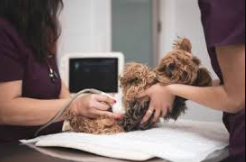
On site testing changes that rhythm. A CBC, chemistry panel, urinalysis, cytology prep, or rapid antigen test can often move the case forward during the same visit. The clinical value is obvious, but the operational value is just as real. Your team spends less time coordinating around uncertainty and more time acting on information.
The science behind this model is well established. Clinical pathology plays a central role in diagnosing and monitoring disease, and resources like the UF Veterinary Diagnostic Laboratories clinical pathology overview show how core lab data informs everyday patient care. When that information is available within your clinic, the path from exam to plan becomes much shorter.
Faster veterinary clinic testing supports better decisions and stronger client trust
Clients rarely measure your clinic by medical skill alone. They notice whether they got clear answers, whether the plan made sense, and whether their pet seemed to receive prompt attention. When you can explain results during the appointment, trust tends to rise because the process feels concrete. Owners are less likely to feel that their pet is being sent into a waiting game.
That matters even more in urgent cases. A dog with possible pancreatitis, a cat with suspected kidney disease, or a puppy with diarrhea may need immediate triage. Point of care testing helps you sort what can be managed now from what needs referral, hospitalization, or broader workup. The point of care assay use case matrix from Texas A&M reflects how different testing tools fit real clinical decisions, especially when timing changes outcomes.
There is also a financial side that clinic owners and managers feel every day. When diagnostics happen in house, fewer cases slip away between recommendation and follow through. Some clients do not return for deferred testing. Some postpone because they are busy, worried about cost, or unsure the test is needed. Same visit diagnostics improve compliance because the decision and the action happen together.
In clinic veterinary testing also helps stabilize the schedule. You can close more cases the same day, reduce the number of pending callbacks, and make better use of doctor and technician time. That is efficiency in the form clinics actually feel.
Common clinic pressure points improve with on site veterinary diagnostics
Efficiency problems in a veterinary clinic usually do not start with one dramatic failure. They build from small delays that repeat all day. Lab samples waiting for pickup. Treatment plans that cannot be finalized. Clients calling for updates. Staff members switching tasks every few minutes. Those interruptions drain focus and increase the risk of mistakes.
On site veterinary diagnostics help in three practical ways. First, they support faster triage. Second, they reduce administrative follow up. Third, they create more complete appointments, where assessment, testing, interpretation, and next steps happen in one visit whenever appropriate.
That does not mean every test belongs in house. Reference labs still matter for specialized panels, confirmatory testing, and complex pathology review. The most efficient veterinary clinic uses both systems well. Routine and time sensitive tests stay close to the patient. More advanced testing goes out when it adds value.
Comparing in house diagnostics with send out testing
| Factor | In House Diagnostics | Send Out Testing |
|---|---|---|
| Turnaround time | Often same visit or same day | Usually next day or longer |
| Treatment decisions | Can begin sooner with current data | May require temporary or delayed plans |
| Client communication | Results discussed in real time | Requires follow up calls or messages |
| Staff workload | Less tracking of pending results | More callbacks, reminders, and coordination |
| Best use cases | Routine screening, urgent illness, monitoring chronic disease | Specialized panels, confirmatory testing, advanced pathology |
| Revenue capture | Higher same visit compliance in many cases | Higher risk of deferred or lost follow through |
Practical steps to make veterinary diagnostics work better right now
1. Audit your most common delays. Look at the cases that create the most follow up work. Vomiting, PU PD workups, pre anesthetic screening, senior pet monitoring, and urgent same day visits often reveal where in house testing saves the most time.
2. Match your equipment to case volume. Do not buy every platform at once. Start with the tests your doctors recommend most often and the ones that change same day decisions. A smaller, well used diagnostic setup is more efficient than a larger system that sits idle.
3. Build clear staff protocols. Efficiency does not come from the machine alone. It comes from knowing who runs the sample, who enters charges, who communicates results, and how findings move into the treatment plan. A simple protocol reduces confusion and keeps results from bottlenecking in the middle of a busy shift.
Efficient veterinary clinics use diagnostics to keep care moving
You do not need a perfect day for your clinic to run better. You need fewer delays between concern, evidence, and action. That is what in house diagnostics provide. They help your team work with more focus, help clients feel informed, and help pets get care without avoidable waiting. In a busy veterinary clinic, that kind of efficiency is not abstract. It shows up in every smoother appointment and every case that gets answered before the client walks out the door.
If you are looking at ways to improve workflow, reduce callback volume, and strengthen patient care, in house diagnostics deserve a close look.