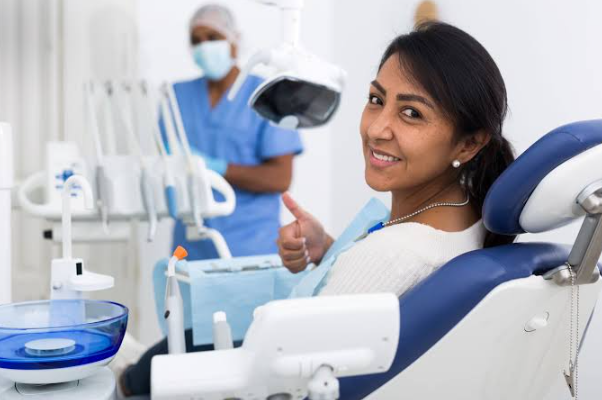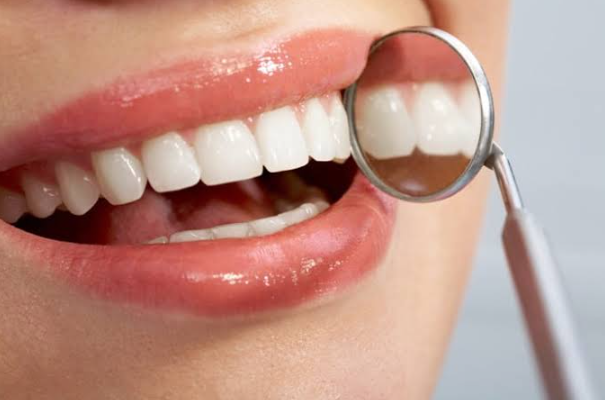

You may have been brushing off the same concern for months, maybe years. A child covers their mouth in photos. You avoid smiling when someone pulls out a phone. A chipped tooth, crowded teeth, stains that do not lift, or a bite that feels off can seem small until they start changing how you eat, talk, and carry yourself. That is usually the moment people start wondering whether cosmetic dental care is only about looks, or whether it could actually help daily life feel easier. If you are looking for a dentist in Gramercy Park and Kips Bay, this may also be the moment to explore options that support both appearance and function.
The answer is often simpler than people expect. Cosmetic dentistry can improve appearance, but it also overlaps with comfort, function, and confidence. If you have been weighing treatment for yourself or your family, a few clear signs tend to point in the same direction. When the issue keeps showing up in conversations, photos, school events, meals, or mirror checks, it is probably worth a closer look from a general and cosmetic dentist.
Changes in your smile are affecting confidence and daily routines
Most people do not seek out treatment because they suddenly want a perfect smile. They come in because something has started to wear on them. Maybe you notice yourself smiling with your lips closed at work. Maybe your teenager has become quiet about school pictures. Maybe a front tooth darkened after an old injury and now it is the first thing you see every morning.
That kind of self-consciousness is easy to dismiss, yet it tends to spread. You may speak less in meetings, laugh less freely, or avoid social events because you do not want comments or attention. For kids, the impact can show up as teasing, shyness, or reluctance to participate. Cosmetic dental treatments such as whitening, bonding, veneers, and reshaping can address visible issues that keep pulling your focus back to your teeth.
This is one of the clearest signs you need cosmetic dentistry. When a smile concern keeps changing your behavior, the issue is no longer only cosmetic in the casual sense. It is personal, and it is affecting quality of life.
Alignment, spacing, or wear is creating functional problems
Teeth that are crooked, crowded, worn down, or poorly spaced often cause more than cosmetic frustration. Food gets trapped more easily. Cleaning takes longer. The bite may feel uneven, which can lead to jaw tension or extra pressure on certain teeth. A child with alignment issues may struggle with brushing thoroughly, and that can raise the risk of decay over time.
Orthodontic care is a common part of cosmetic planning for both children and adults. If you are trying to figure out whether spacing or crowding is just an appearance issue, it helps to understand how treatment works and when it is used. The American Dental Association’s MouthHealthy guide on braces gives a clear overview of alignment concerns and treatment goals.
For families, this matters even more because oral habits and early care shape what happens later. Good hygiene does a lot, and the CDC’s tips on children’s oral health are a strong place to start, but brushing well does not fix every structural issue. When teeth are hard to clean because of crowding or overlap, cosmetic and orthodontic treatment can support both appearance and long term dental health.
If your family has been searching for cosmetic dental treatment that does more than brighten teeth, this is where the conversation gets more practical. A straighter, more balanced smile can also be easier to maintain.
Damage, discoloration, or old dental work is becoming harder to ignore
Sometimes the sign is not confidence or alignment. It is wear. A chipped edge catches on your lip. A filling in a visible tooth no longer matches. Stains do not respond to whitening toothpaste. A cracked tooth line keeps drawing your eye. These are common reasons people look into cosmetic dentistry, and they are also reasons not to wait too long.
A tooth that looks damaged may also be vulnerable. The National Library of Medicine explains the causes and treatment of a broken tooth, including when repair is needed to protect the tooth itself. Cosmetic options like bonding, crowns, and veneers can restore the look of a tooth, but they can also help preserve structure, depending on the problem.
This is where many people feel torn. You do not want to spend money on something you think you should tolerate, but you also know the issue is not improving on its own. A good cosmetic dentist will sort out whether the concern is mainly visual, mainly functional, or both, then walk you through what actually makes sense.
Cosmetic dentistry options differ in purpose, cost, and longevity
| Concern | Common Cosmetic Option | What It May Help With | Practical Consideration |
|---|---|---|---|
| Surface stains or yellowing | Professional whitening | Brighter tooth color | Works best on certain stains, may need touch ups |
| Small chips or uneven edges | Dental bonding | Smoother shape, improved symmetry | Usually lower cost, may stain or wear over time |
| Visible cracks, severe discoloration, shape issues | Veneers or crowns | Stronger coverage, major appearance change | Higher cost, treatment planning matters |
| Crooked, crowded, or spaced teeth | Braces or aligners | Better alignment and bite | Takes time, can improve cleaning and comfort |
People often assume cosmetic care is all or nothing. It is not. One person may need simple whitening before a wedding. Another may need a child evaluated for alignment because crowding is getting worse each year. Someone else may need a chipped tooth repaired because the damage is visible and irritating. The right plan depends on what the teeth look like now, how they function, and what you want life to feel like after treatment.
Small steps make cosmetic dental decisions easier
Pay attention to patterns. Notice what keeps coming up. Is it photo anxiety, trouble chewing, a child hiding their smile, or a tooth that keeps bothering you? A single moment may pass. A repeated pattern usually tells the truth.
Take photos and make notes. This sounds simple because it is. A few close smile photos and a short list of concerns help you explain what you are seeing. That is useful when discoloration, shifting, or wear has happened slowly and is hard to describe.
Book a cosmetic consultation with clear goals. Go in knowing what matters most to you. Maybe you want a natural looking repair, not a dramatic change. Maybe you want to know whether treatment for your child can wait. Maybe you want options at different price points. Clear goals lead to better treatment choices.
If any of these signs sound familiar, you are not overreacting, and you do not need to keep guessing. Cosmetic dentistry can be about appearance, but it is also about comfort, ease, and feeling like yourself again when you smile. If the concern keeps affecting you or someone in your family, the next step is a conversation with a general and cosmetic dentist who can explain your options and help you choose what fits.