ByJohn A
How Family Dentistry Makes Cosmetic Services More Accessible
You may have put off fixing a chipped tooth, whitening stains, or asking about straightening options because it all sounds expensive, separate, and hard to fit into real life. That is common. A lot of people think cosmetic care belongs in a different category from regular dental visits, as if it requires a specialist office, a bigger budget, and a level of planning they do not have room for. A Fairfield dentist can often help make these options feel more accessible.
The truth is simpler. Family dentistry cosmetic services often become easier to access because they are offered in the same place you already go for cleanings, exams, fillings, and your child’s checkups. That changes the cost conversation, the scheduling problem, and the fear of starting over with someone new. If you want a healthier smile that also looks better, a general and cosmetic dentist can often help you move forward in smaller, more realistic steps.
Family dental care lowers the barrier to cosmetic treatment
When cosmetic treatment is separated from routine care, people tend to delay it. They tell themselves they will deal with it later, after work slows down, after the kids’ schedules calm down, after they feel more confident about the price. Later keeps moving.
Family dental offices reduce that friction. You are already there for preventive care, so concerns that seem cosmetic at first can be discussed early. A worn edge on a front tooth may affect your bite. Staining may sit alongside enamel wear. A missing tooth can change both your appearance and the way you chew. In a family practice, those issues are often viewed together instead of being boxed into “health” on one side and “appearance” on the other.
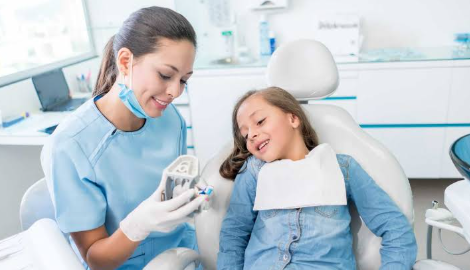
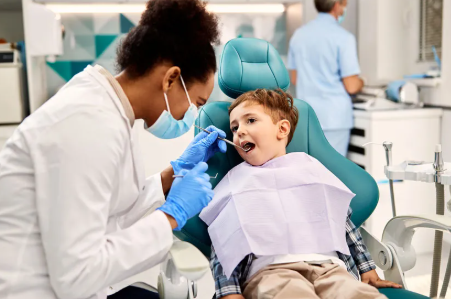
That matters because convenience is not a small thing. If one office can handle exams, digital imaging, cleanings, bonding, veneers, whitening, and some restorative work, you spend less time repeating your history and less energy trying to coordinate care. For busy parents, shift workers, and adults who already feel uneasy in a dental chair, that is often the difference between asking for help and staying silent.
General and cosmetic dentistry makes treatment feel more realistic
Many people assume cosmetic work means a full smile makeover. That idea alone can stop someone from even asking. Most cosmetic improvements do not start that way. They start with one conversation and one practical goal. You want the crack repaired before it gets worse. You want whitening that is safer than store bought strips. You want the old filling in a visible spot replaced with something that blends in.
Cosmetic dental care through family practice often works because the treatment plan can be phased. A dentist may suggest starting with gum health and cleaning, then moving to whitening, then considering bonding or contouring later. That approach respects your budget and your comfort level. It also tends to produce better results because healthy teeth and gums support cosmetic work.
This is where a general and cosmetic dentist can be especially useful. Instead of treating appearance as separate from function, they can explain how one affects the other. Straightening may improve cleaning access. Replacing a worn crown may improve both bite balance and smile symmetry. Bonding a chipped tooth may prevent more damage while also restoring confidence.
Cost concerns become easier to manage in a family dentistry setting
Money is often the biggest source of hesitation. You might be thinking, “I can handle my regular checkup, but cosmetic work sounds out of reach.” That feeling is real, especially when dental care competes with rent, groceries, childcare, and everything else.
Family practices often make cosmetic services more accessible because they can bundle evaluations into routine visits, identify what is medically necessary versus elective, and help prioritize treatment. Some procedures that improve appearance also serve a restorative purpose, which may affect coverage or timing. Even when insurance does not pay for the cosmetic portion, spreading treatment over time can make it less overwhelming.
If cost is a concern, it helps to look for reliable public resources on care access and oral health. The HRSA guide on finding dental care can help you locate options if you are starting from scratch. Patient friendly materials from HRSA on oral health education can also help you understand basic care decisions before committing to treatment.
Accessible cosmetic dentistry works best when prevention stays in the picture
Cosmetic treatment lasts longer when the foundation is strong. That sounds obvious, but it gets missed when people feel embarrassed about how their teeth look and just want a fast fix. Whitening on teeth with untreated decay is not a real solution. Veneers do not erase gum disease. A beautiful repair on a tooth that still takes too much pressure may chip again.
Good family dentistry keeps prevention close to the cosmetic plan. Regular cleanings, home care advice, bite checks, and early treatment of small problems protect your investment. The National Institute of Dental and Craniofacial Research offers clear guidance on oral hygiene, which supports both oral health and cosmetic results.
| Approach | What It Often Looks Like | Main Benefit | Common Limitation |
| Separate cosmetic specialist visit | New patient exam at a different office, separate records, separate scheduling | Focused cosmetic consultation | More time, more coordination, often higher entry barrier |
| Family dentist with cosmetic services | Cosmetic concerns discussed during regular care, phased treatment plan | Convenience and continuity of care | Some advanced cases may still need referral |
| Store bought cosmetic products | Whitening strips, temporary fixes, online kits | Lower upfront cost | Less predictable results, can miss underlying dental issues |
Small steps make cosmetic dentistry easier to start
Ask for a cosmetic evaluation during your routine visit. You do not need to commit to treatment. Ask what bothers you most, whether it is discoloration, spacing, chips, or old dental work that shows when you smile. A simple conversation can tell you what is cosmetic, what is restorative, and what should come first.
Request a phased treatment plan with costs. If the full picture feels like too much, ask for step one, step two, and step three. That gives you something concrete instead of a vague fear about price. It also helps you compare urgency. You may learn that one repair protects your tooth now, while whitening can wait.
Strengthen your daily care before and during treatment. Brushing with fluoride toothpaste, cleaning between teeth, and keeping regular checkups improve the look of your smile and support any cosmetic work you choose. Better home care also helps you avoid paying for repairs that could have been prevented.
See also: How General Dentistry Encourages Proactive Care
Cosmetic smile improvements feel more within reach in family dentistry
You do not need perfect teeth, a perfect schedule, or a large budget to start the conversation. You need a dental home that sees the whole picture and helps you take the next sensible step. That is why family dentistry makes cosmetic services more accessible. It brings appearance, health, convenience, and planning into one place, which makes change feel possible instead of distant.
If you have been putting off cosmetic concerns because they felt too complicated, ask about your options with a general and cosmetic dentist at your next visit. One clear plan can make the process feel far less heavy.